Atlas: The Titan Who Holds Up the Sky
Why was he never set free?
Of all the defeated Titans, Atlas alone was not shut away in prison. He was sentenced to hold up the sky, forever. This is the story of that punishment — and of the one night freedom came within his reach.
Introduction
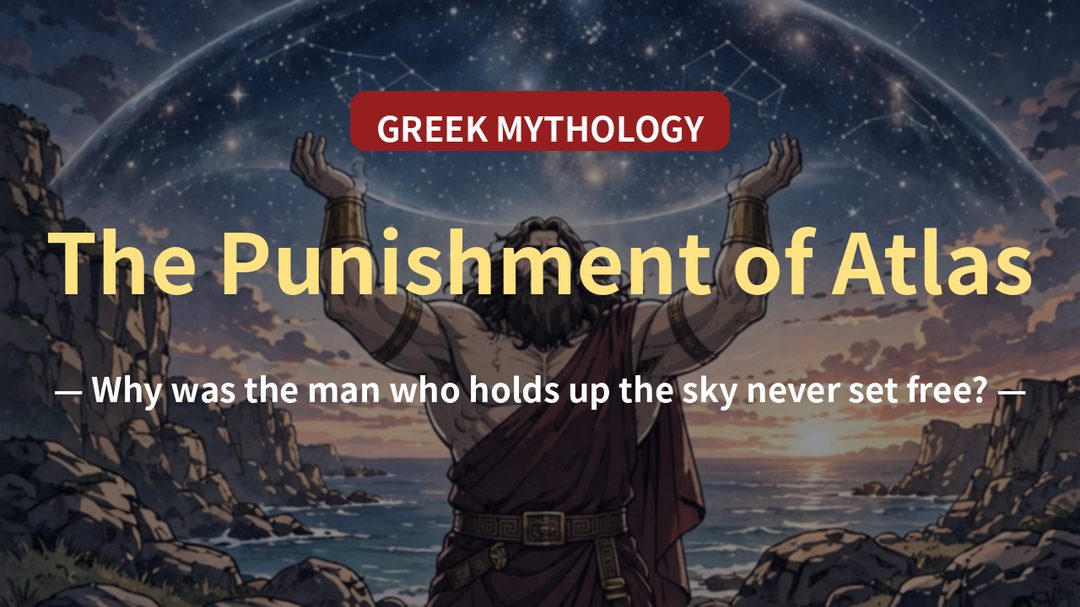
Have you ever seen a statue of a man holding a great globe upon his shoulders? His name is Atlas — the giant of Greek myth who holds up the sky itself, and holds it still. Why must he hold the heavens forever? Today, the story of his punishment.
A Son of the Titans
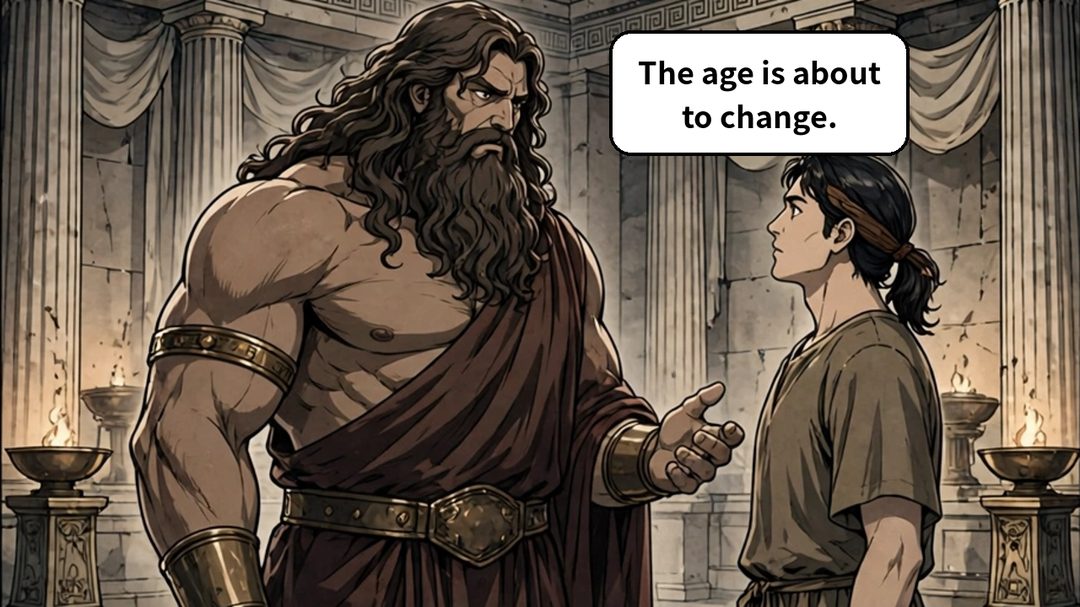
Atlas was born to the Titans, the older generation of gods. His father was Iapetus. Among his brothers was Prometheus, who would one day give fire to mankind. For ages, the Titans ruled the world. But then young Zeus rose in rebellion against his father, Cronus.
The Ten Years' War
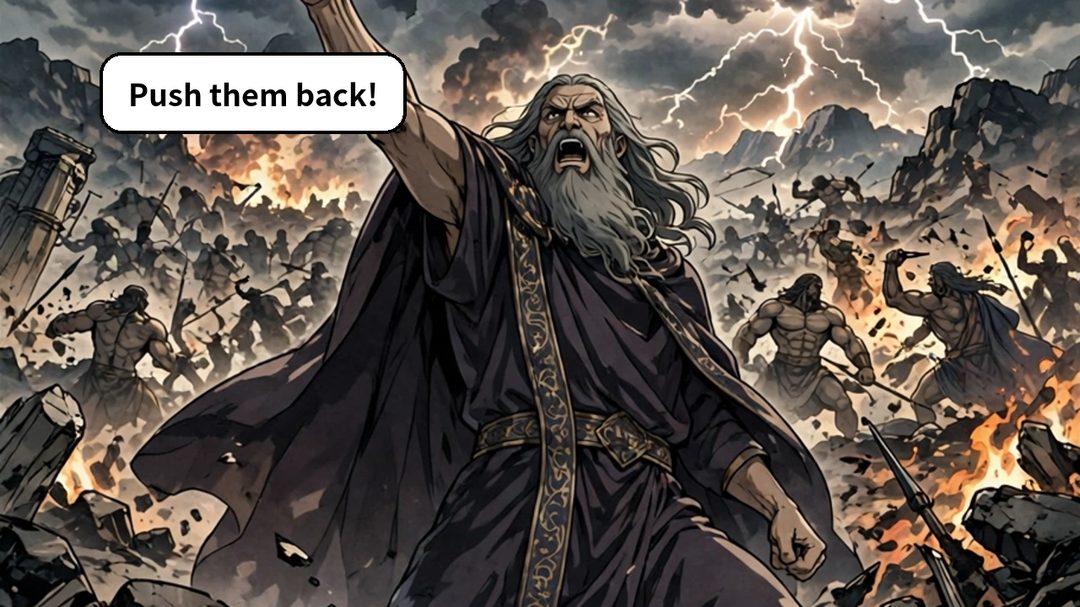
The war of the gods — the Titanomachy. It raged for ten long years. The earth burned, the sea boiled, and the sky itself shook, the old poems say. Atlas fought on the side of the Titans.
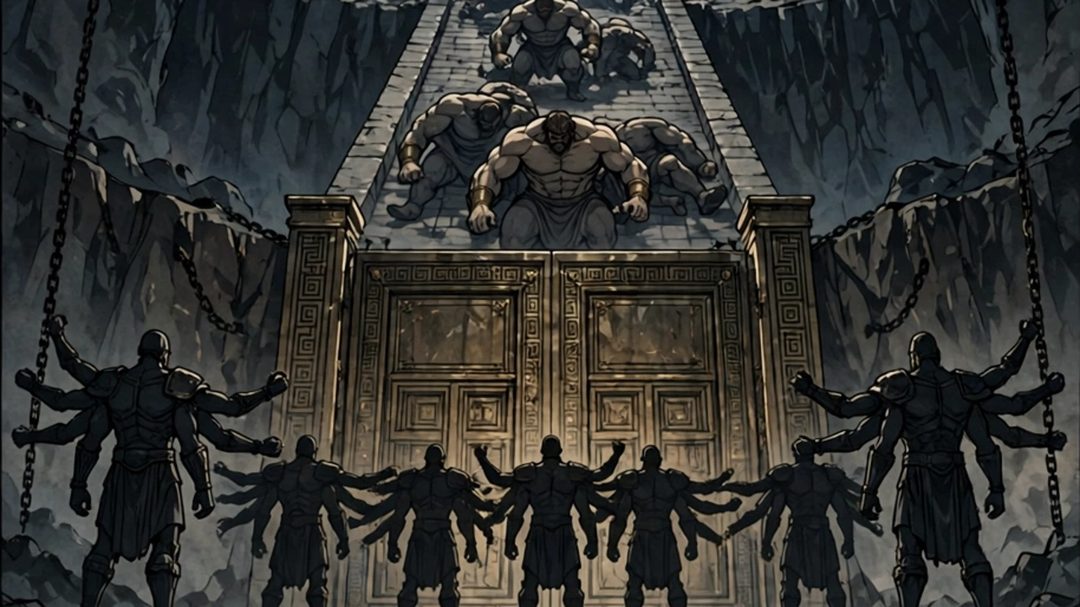
What decided the war was the giants Zeus set free — monsters with a hundred arms apiece. The defeated Titans were cast down into Tartarus, the prison beneath the earth. Bronze gates were shut upon them, and the hundred-armed giants were set as their guards.
A Punishment of His Own
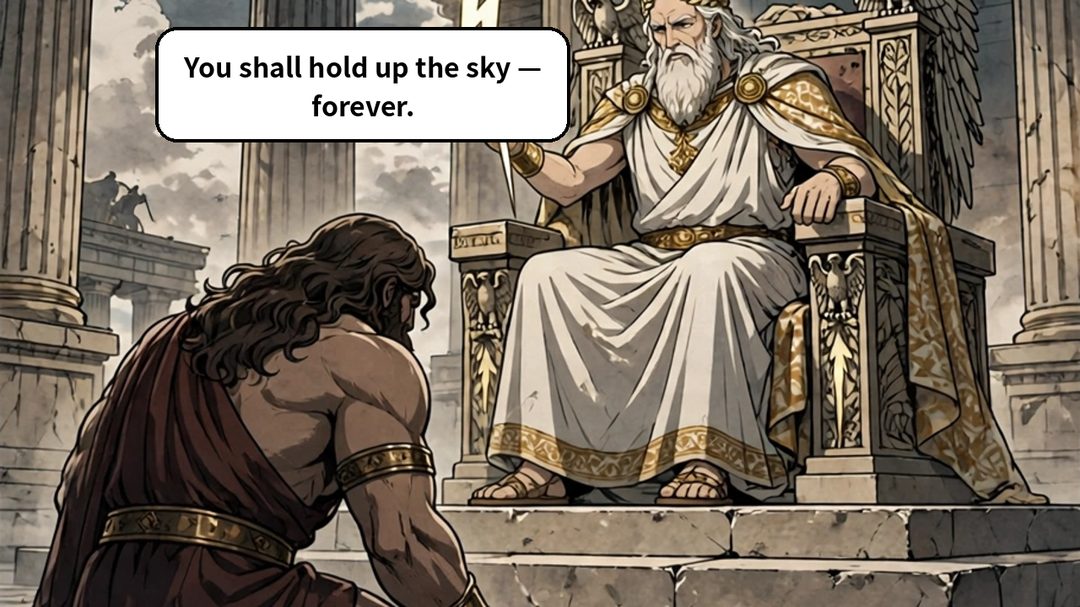
But Atlas — Atlas alone was not sent to the prison. Zeus pronounced a different punishment for him. He would not be killed. He would not be locked away. Instead — a task that would never end. The poem of Hesiod tells us: this was the fate that wise Zeus assigned to him.
What It Means to Hold Up the Sky
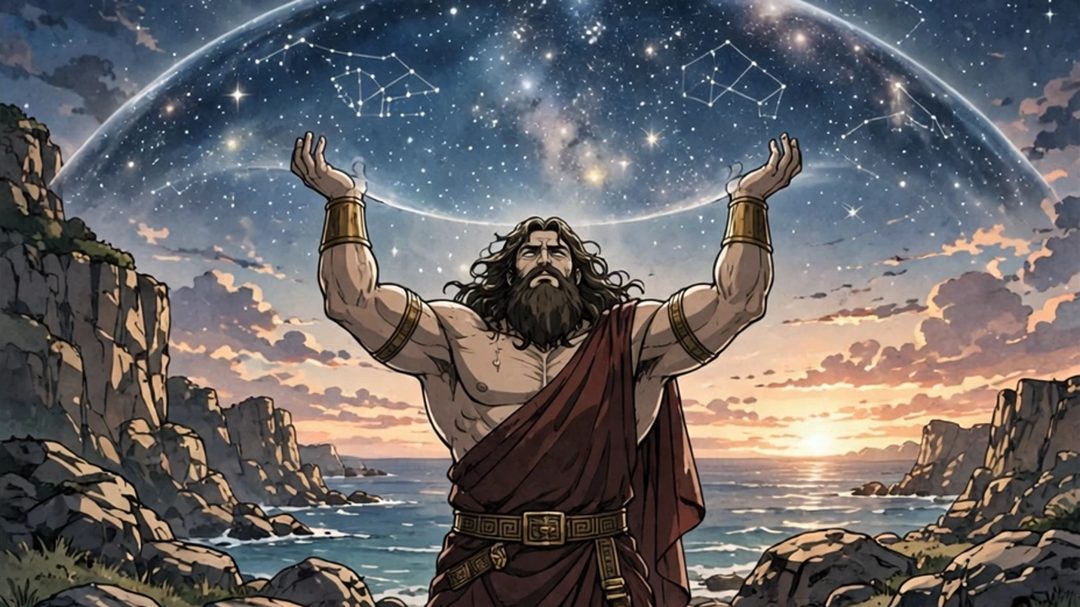
Atlas was made to stand at the far western edge of the world. There, with his head and his tireless arms, he holds up the broad sky — so the poem sings of him. The place where he stands is where Night and Day meet. At a threshold of bronze, the two greet each other as they pass, one going out, the other coming in.
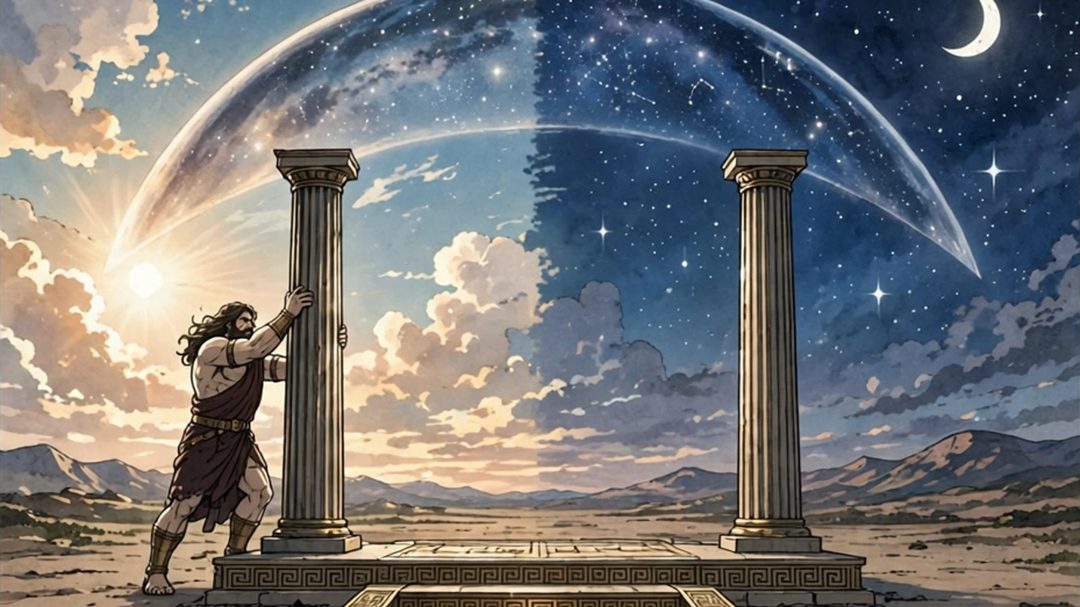
But what does it mean, to hold up the sky? For the ancient Greeks, the sky was like a heavy lid that might one day fall. In Homer's poem, Atlas is the one who holds the tall pillars that keep heaven and earth apart. In other words, he holds the very shape of the world in place. If he ever let go, heaven and earth would crash together again. The world rested upon his shoulders.
The Endless Days
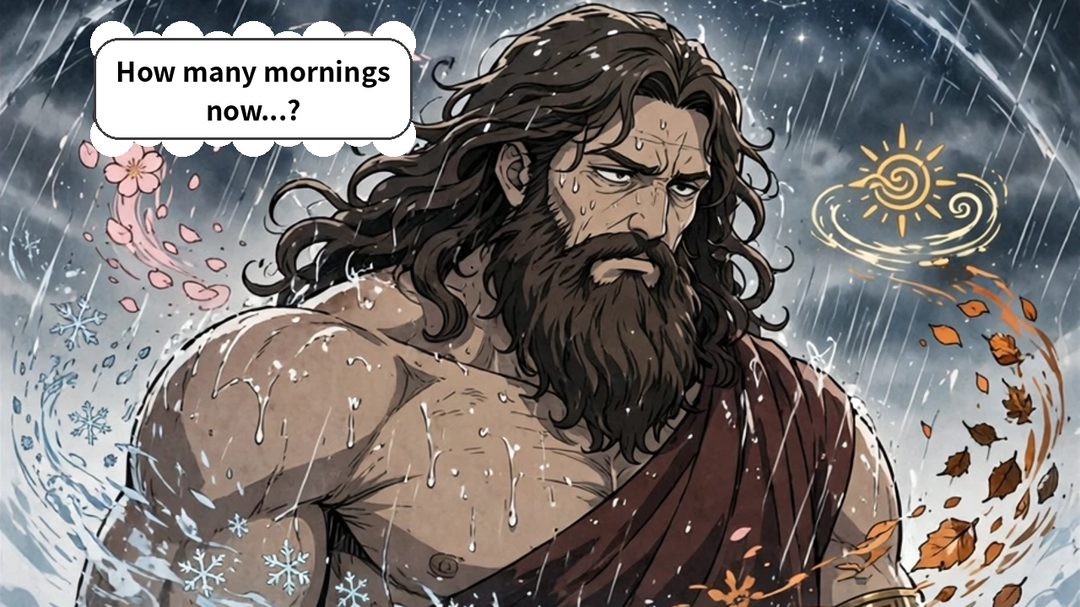
The true weight of his punishment was not the sky. It was that it never ends. In a body that cannot die, he welcomed morning and night, over and over, beyond counting. In the world of men, kings were born and cities fell — but his work stayed exactly the same. His brother Menoetius was struck down by the thunderbolt. Prometheus was chained to a rock.
Each of the brothers passes the ages inside a punishment of his own.
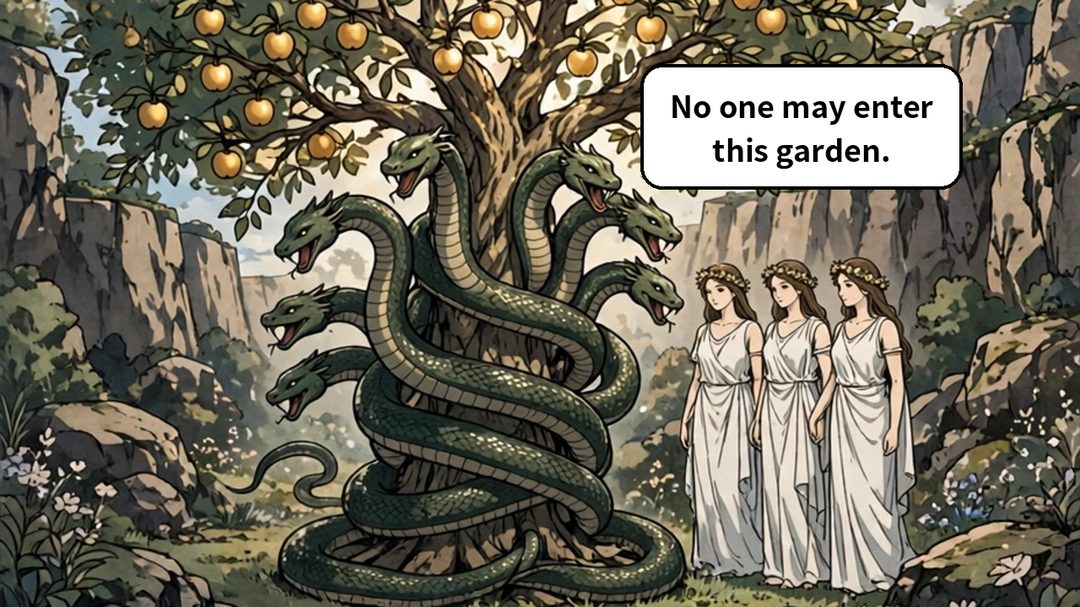
Close beside him lay the garden of the Hesperides. A dragon with a hundred heads, and the Hesperides themselves, guard its tree of golden apples. Gazing at that garden — the picture of freedom — he holds up the sky again today.
The Golden Apples
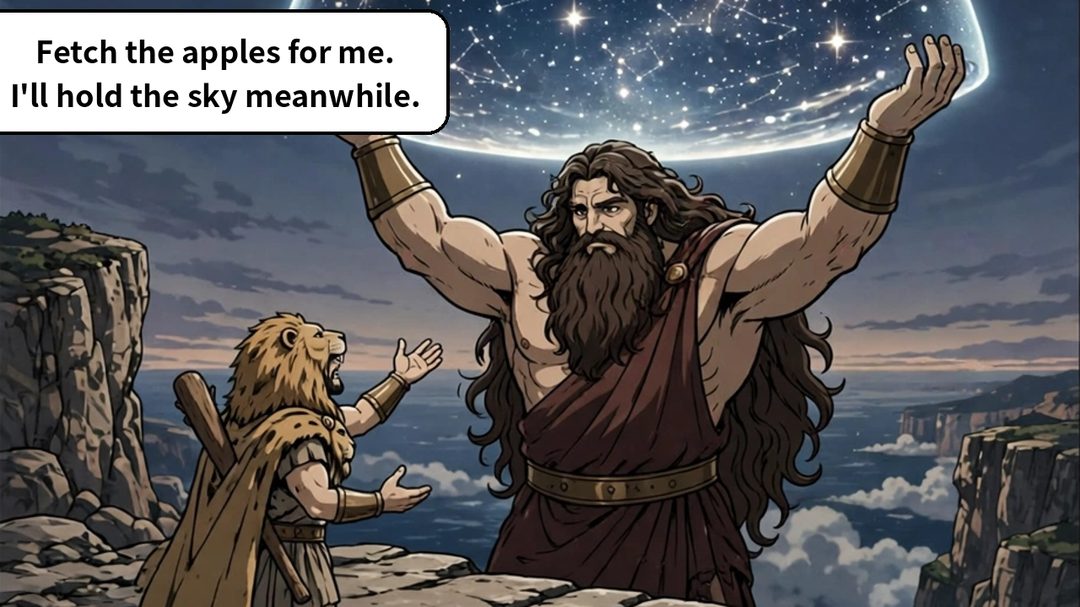
One day, a man came seeking those apples. His name was Heracles. It was the eleventh of his twelve labors: his king had ordered him to bring back the golden apples. But Heracles did not go to fetch them himself. Prometheus, whom he had freed, had advised him. "Let the one who bears the sky fetch them. Meanwhile, take the heavens onto your own shoulders."
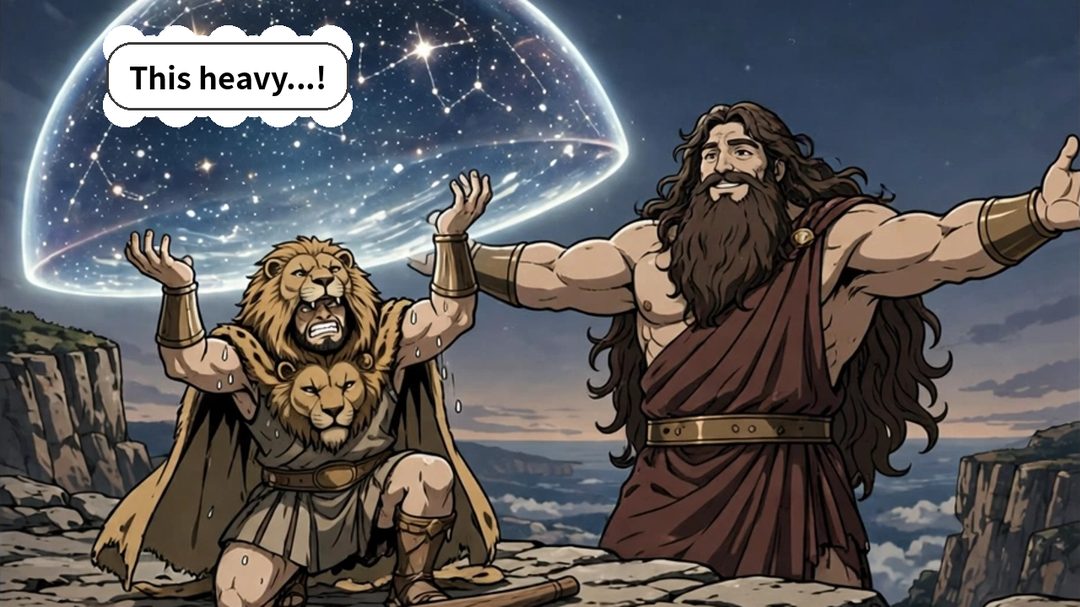
And so began the one exchange of burden the world has ever seen. Atlas slipped free — and the whole weight of the sky came down on the shoulders of Heracles. A weight so great, it bent even the strongest hero's knees.
The Swap and the Trick
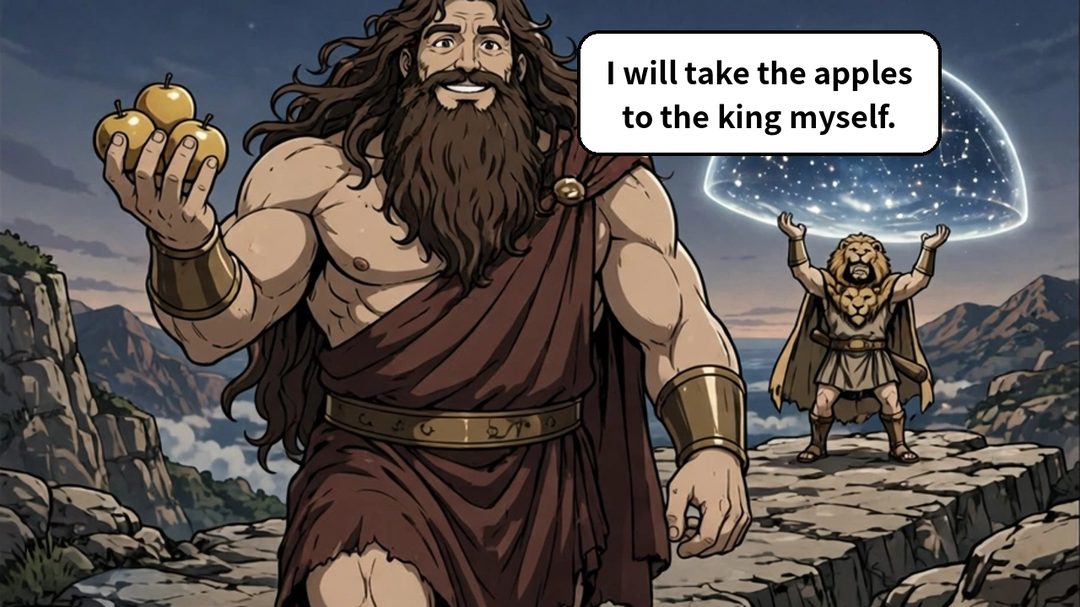
At last Atlas returned, three apples in his hand. A free body, for the first time in ages. He no longer wished to take the sky back. "I will deliver the apples to the king myself," he said — and he meant to leave Heracles standing there. The sky that had pressed on his shoulders for so long was gone. Freedom was within reach.
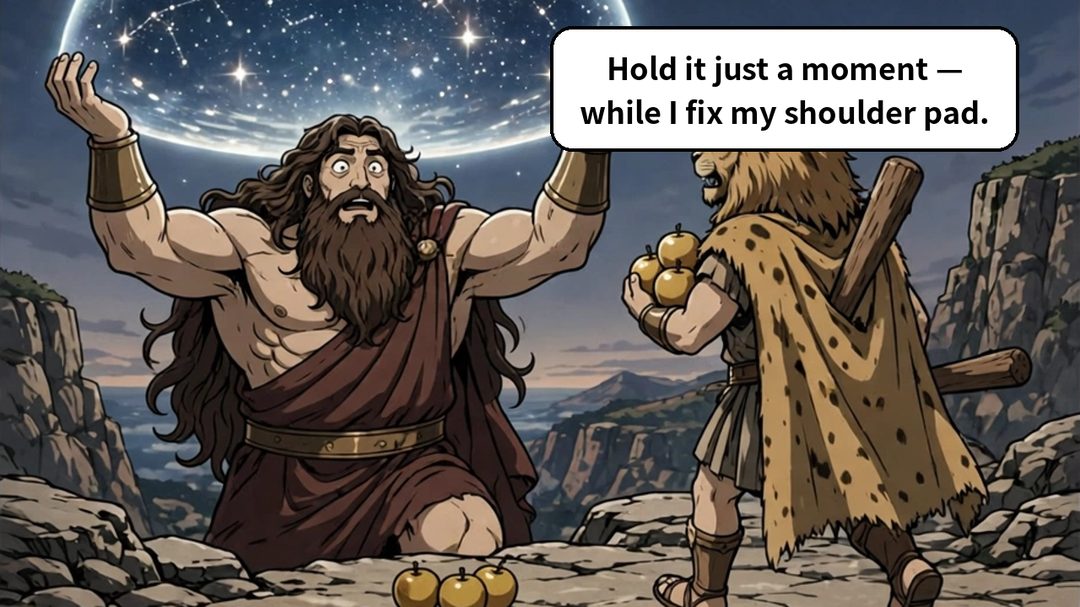
But Heracles did not argue. He made only one small request. "Just for a little while," Atlas agreed — and took the sky back onto his shoulders. In that instant, Heracles picked up the apples from the ground — and walked away. That, too, had been Prometheus' advice. Atlas was not beaten by strength. He was beaten by one moment's hesitation.
Another Tale: The Man Who Became a Mountain
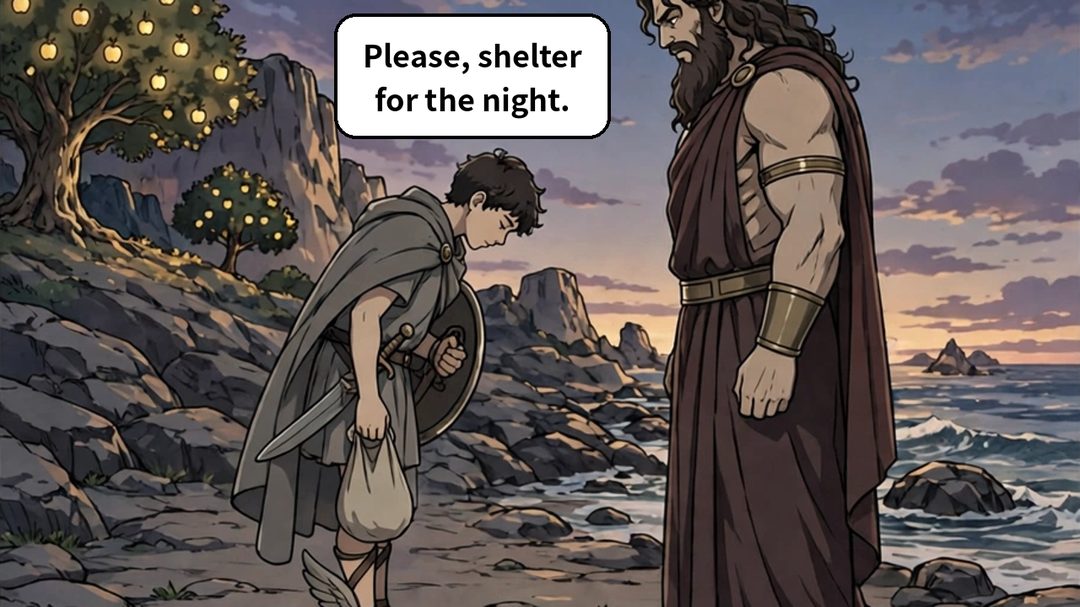
Here, let us tell one more story — a different telling, from the Roman poet Ovid. The hero Perseus, returning from slaying Medusa, came to Atlas at the western edge of the world.
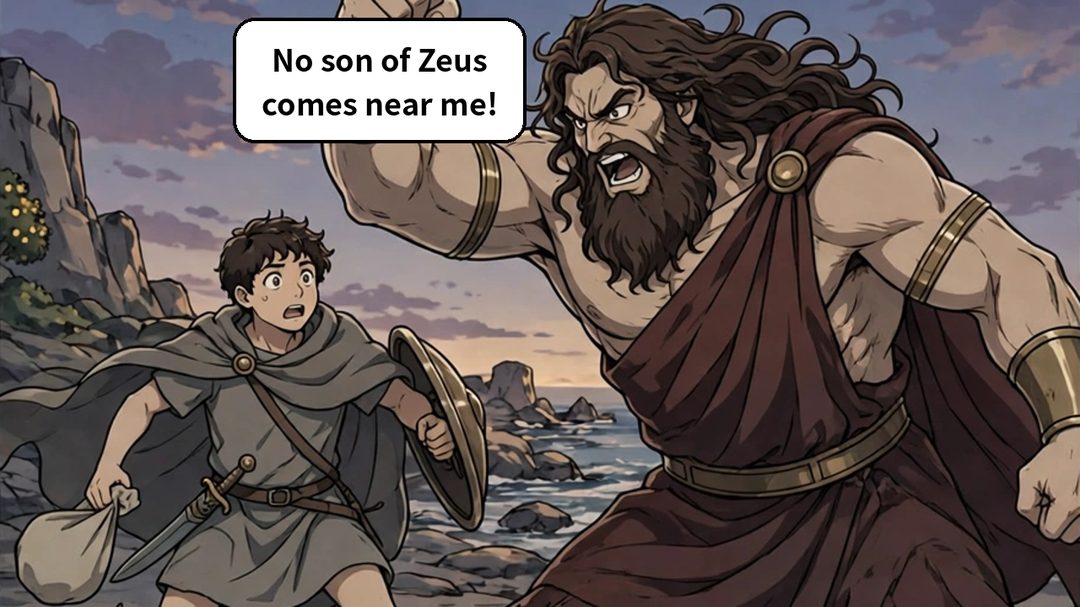
But Atlas tried to drive him away. For he remembered a prophecy, spoken by the goddess Themis: "A son of Zeus will come, and rob your golden tree." And the man before him had named himself exactly that — a son of Zeus. The giant moved to drive him off by force.
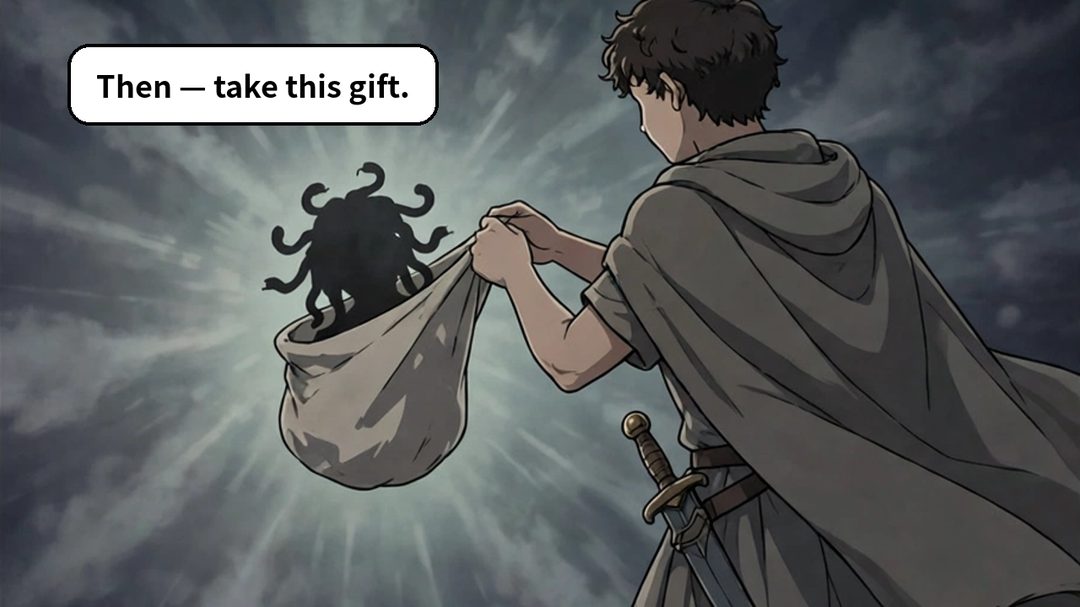
Then Perseus, turning his own face away, drew the head of Medusa from his bag.
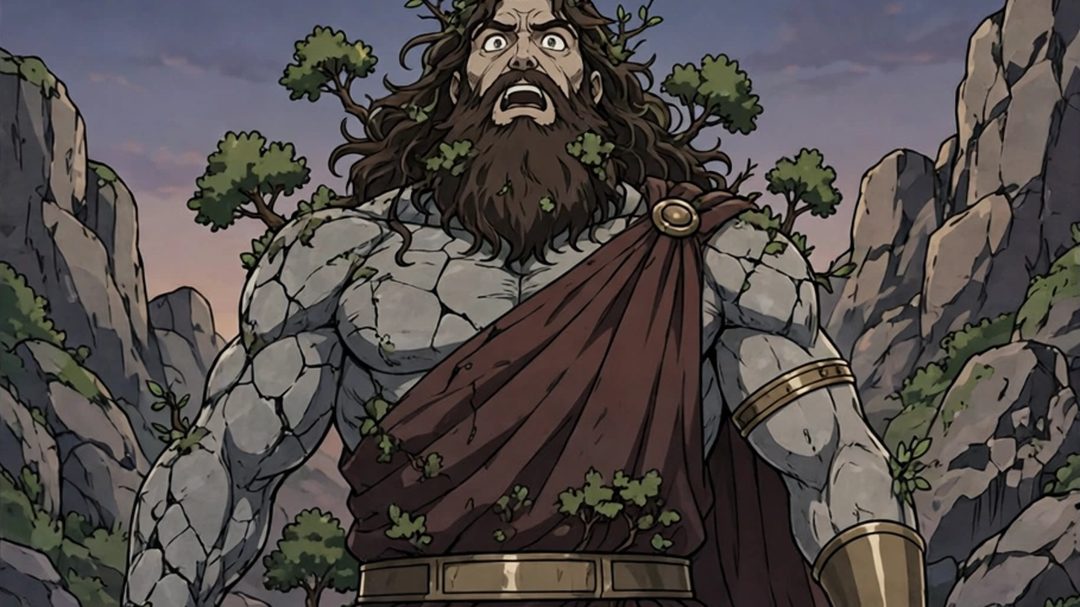
Whoever looks upon that head turns to stone. And the giant's body began, at once, to change.
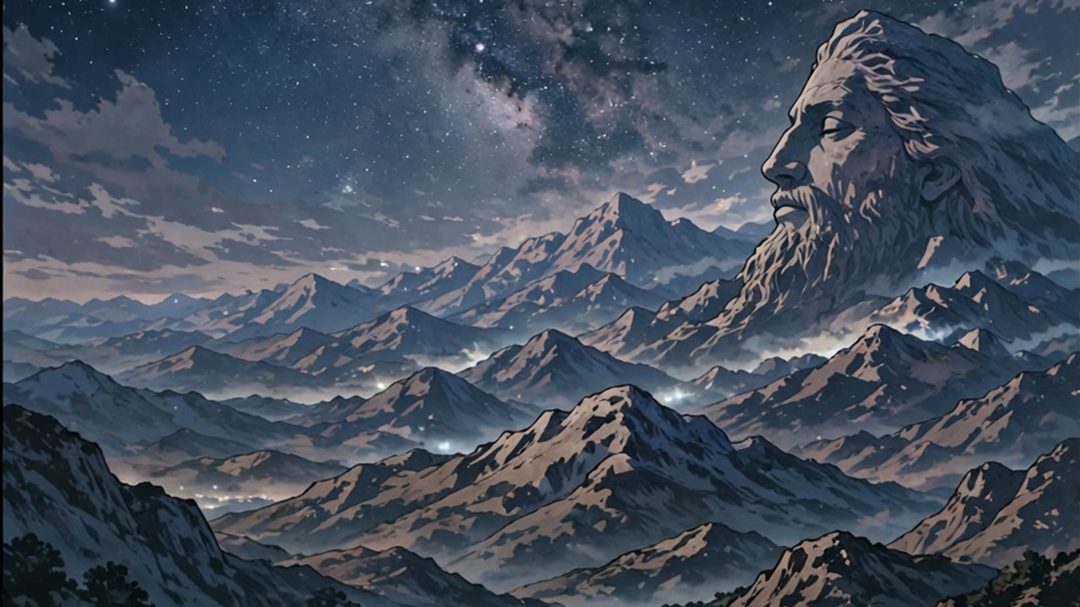
His beard and hair became forests. His shoulders and hands, ridges of mountains. His head, a summit. His bones, rock. The Atlas Mountains — the range that still runs across North Africa bears his name to this day. And Ovid tells us: upon that mountain, the heavens and all their stars rest even now.
What Remains Today
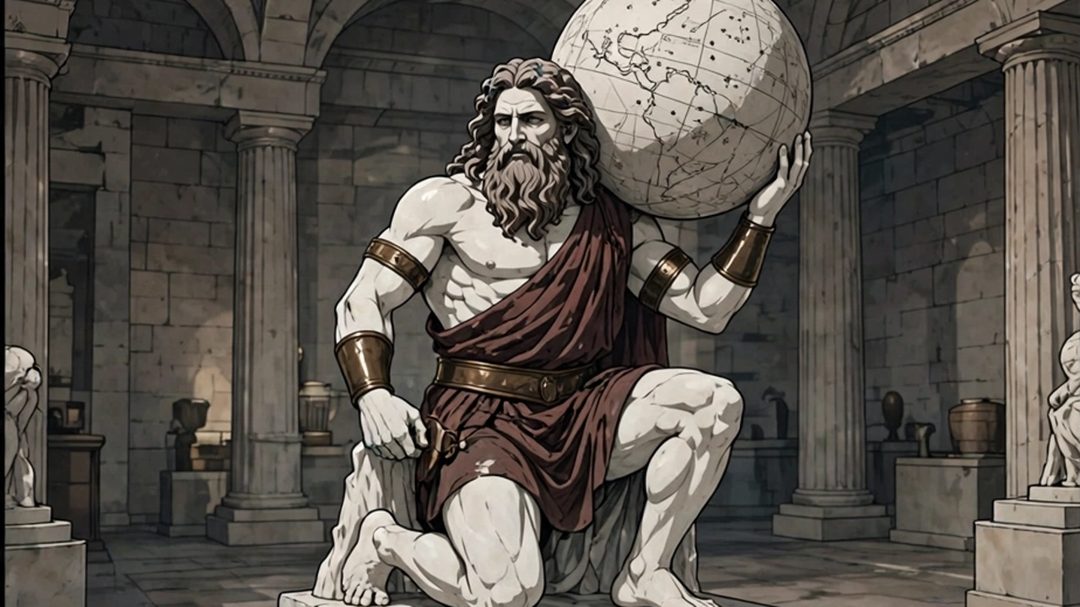
The ancients carved Atlas holding a sphere of the heavens. Across its surface, the constellations are engraved — his other face, as a knower of astronomy. And when we call a book of maps an "atlas" today, that word comes from this giant's name.
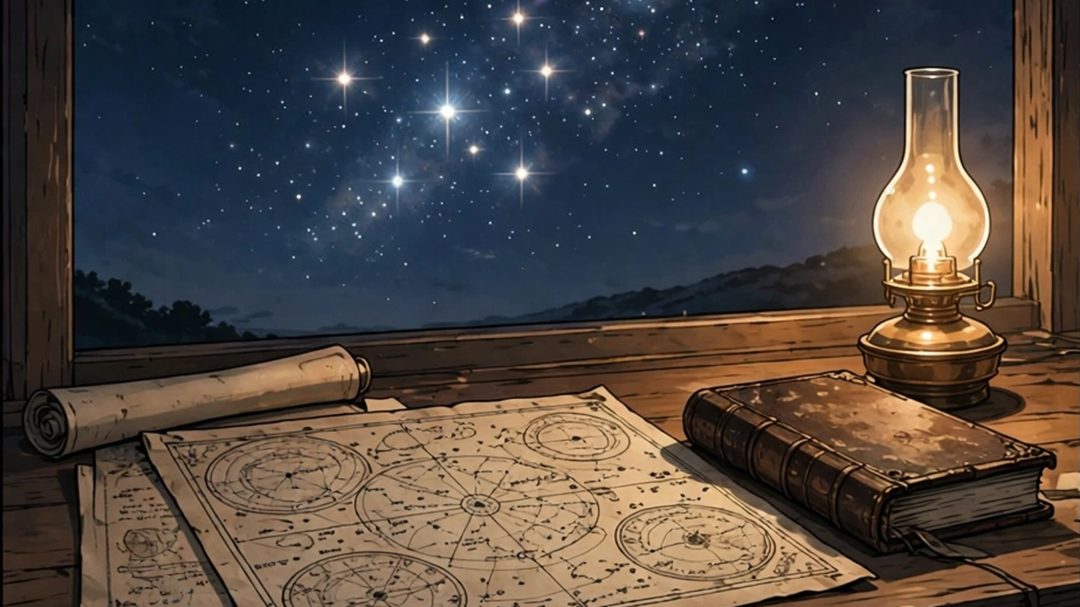
His family shines in the night sky, too. The Pleiades, said to be his daughters, gleam as a cluster of stars. His daughter Calypso appears in Homer's poem, as the child of the father who knows the depths of every sea.
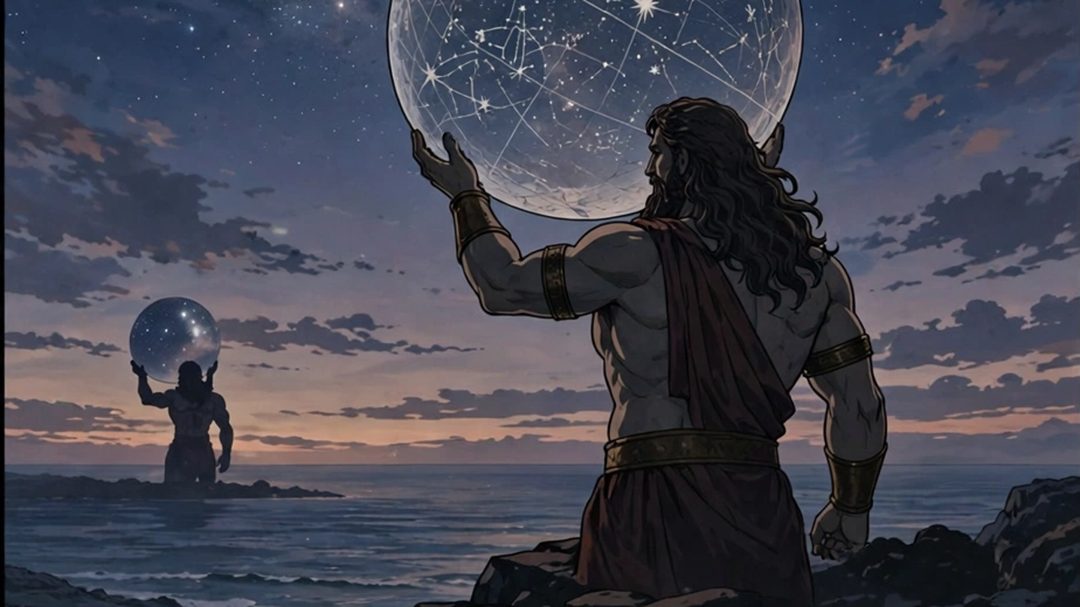
And yet, at the heart of the story, he stands at the western edge of the world even now. His punishment is to uphold. It is a task with no end — and he performs it still today.
About the Sources
Now, let us be clear about where today's story comes from. The origin of his punishment rests on Hesiod's Theogony and Apollodorus' Library. The swap over the apples follows Apollodorus. The tale of the mountain is Ovid's Metamorphoses — a different telling. Where the stories come from different authors, we have kept them separate as we told them.
In Summary
To sum up: the punishment of Atlas was never about the weight. Freedom came within his reach exactly once — and slipped away inside his moment of hesitation. Perhaps that is why, for more than two thousand years, he has been remembered as the man who was never set free.
Sources and basis
Sources
- Hesiod, Theogony 507–520 — the birth of Atlas and the origin of his punishment.
- Hesiod, Theogony 617–735, 744–754 — the ten years' war, and the place where day and night meet.
- Homer, Odyssey 1.52–54 — the tall pillars that keep earth and sky apart.
- Apollodorus, Library 2.5.11 — the exchange with Heracles over the golden apples.
- Ovid, Metamorphoses, Book 4 — the man who became a mountain; a later Roman telling, kept separate in the text.
Variants and notes
- Later summaries sometimes call Atlas the leader of the Titans. Hesiod and Apollodorus do not describe him that way, so this telling does not either.
- The speech-bubble dialogue is original writing that keeps the meaning of the ancient scenes.